How to get rid of cockroaches in summer?
Introduction
Cockroaches are a common pest throughout the year, but especially in summer, they become more of a nuisance. Here’s what you need to know to protect your home and family from these pests.
Cockroaches are attracted to food, moisture and warmth. They can transmit disease through their feces or by biting people or pets. If cockroaches are present in your home, there may already be a problem with mold or mildew as they carry spores on their bodies. They also damage property by eating wood glue or starchy materials such as book bindings or wallpaper paste; this causes paper products like books to fall apart at an accelerated rate than usual which can ruin them completely within weeks of being infested with roaches! Additionally cockroach feces contain allergens that may trigger asthma attacks and allergic reactions in certain individuals who come into contact with them during cleaning activities (when dusting for example).
How do you identify a cockroach?

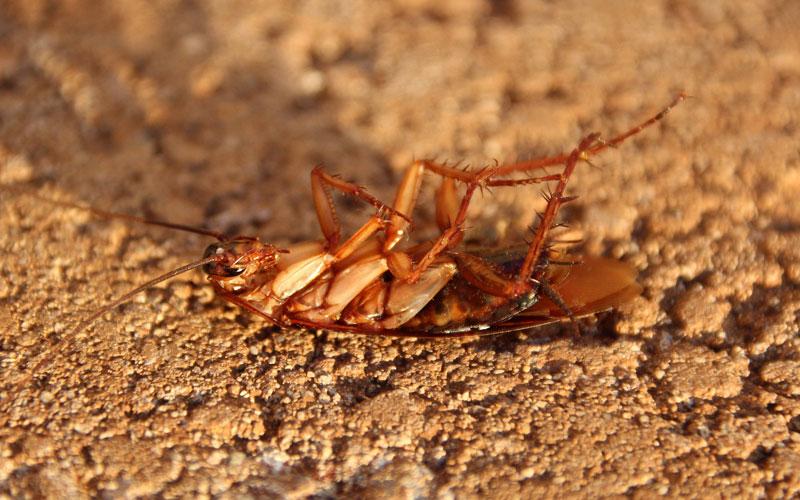
Cockroaches are brown or black, and they have flat bodies with long antennae. They’re usually nocturnal, meaning they’re most active at night, but you may see cockroaches during the day if your home is infested with a large population of them.
Cockroaches can have wings or be wingless; some species fly, but most do not. They also have 3 pairs of legs on their thorax (the middle section of the body) and one pair of legs on each side at the front end of their abdomen (the rear portion). Their antennae are long and thin compared to those of other insects such as flies or bees that have short thick antennal segments that are close together at the tip forming more of an oval shape rather than an elongated shape like that seen in roaches.
Cockroach bodies are very flat so they can get into narrow spaces where other bugs cannot go; this makes them great hitchhikers! They’re fast runners too so watch out when you start seeing these pests running around your kitchen floor or bathroom countertop—they’ll run right up to you if given half a chance! Roaches need little water so they can live without water sources for long periods by keeping themselves alive by eating whatever food source(s) they find around them–and there’s always plenty available thanks to us humans!
What can you do to get rid of cockroaches?
You can reduce the number of cockroaches in your house with a few simple steps:
Follow these steps to control or eliminate a cockroach infestation.
- Clean up food and water sources. You should also clean up any food spills in your kitchen that might be attracting them; make sure you don’t leave dirty dishes on the counter overnight, keep kitchen counters clean to discourage roaches from nesting there.
- Do not leave dirty dishes lying around; instead, wash them immediately.
- Don’t invite cockroaches into a container that isn’t sealed tightly enough to keep roaches out.
- Vacuum regularly to reduce the number of live roaches in your home.
- Close off cracks and crevices where roaches can hide during treatments.
- Use a cockroach spray or gel bait. These products are available at all major grocery and hardware stores, and they’re often quite inexpensive. Simply apply them around the perimeter of your home to keep roaches out. If you notice any dead insects in your home after setting up this repellent, remove them immediately so they don’t attract more pests (and dispose of them outside).
- Use bait traps instead of sprays if possible–you will get rid of cockroaches faster! This method is also safer for children and pets because it doesn’t use chemicals like sprays do.
- Keep pets out of the house after using pesticide products around them, as they can be harmed by pesticides in ways that humans cannot.
Sprays and baits can help kill cockroaches and drive them out of your home.
Although sprays and baits are effective in killing cockroaches, they should be used only as part of a multifaceted treatment plan. To effectively eliminate an infestation, you will need to combine a variety of different tactics to ensure that the problem is completely resolved.
The first step in treating your home for roaches is to clean it thoroughly. Cockroaches thrive in areas that are cluttered with clutter and debris, so it is important to remove any objects that could provide shelter or food for these pests. Next, look for cracks or holes where roaches may be entering your house; seal them up with caulking or steel wool as needed. Finally, use baits and sprays according to the instructions on their labels; this will help keep any remaining roaches from returning after they have been driven out by other methods like vacuuming.
If you end up with an infestation, call a professional.
If you end up with an infestation, call PestCare Pest Management, a professional pest control and fumigation service provider. PestCare professional pest controllers are trained to handle infestations, and they have the knowledge and experience to help you assess the situation. They can also identify the type of cockroach you have, and what products to use for treatment. Once treatment is complete, it will help prevent future infestations by inspecting your home for cracks or holes where pests may enter. If necessary, they can also instruct you on ways in which you can keep cockroaches out altogether.
Conclusion
If you’re dealing with a cockroach infestation at home, it’s important to take action right away. These pests can spread disease and cause other health issues. They also leave behind droppings that can damage your property and make it smell bad. If you have any questions about how to get rid of these pests or maintain control over them, contact us today!
We offer the best pest control services
At PestCare Pest Management we offer the best pest control services which include: Rodent control, Cockroach control, Insects Control, Termite Control, Enclosed Space Fumigation, and Warehouse Pest Management Plan.